Glasgow team to lead major global research for women’s heart disease
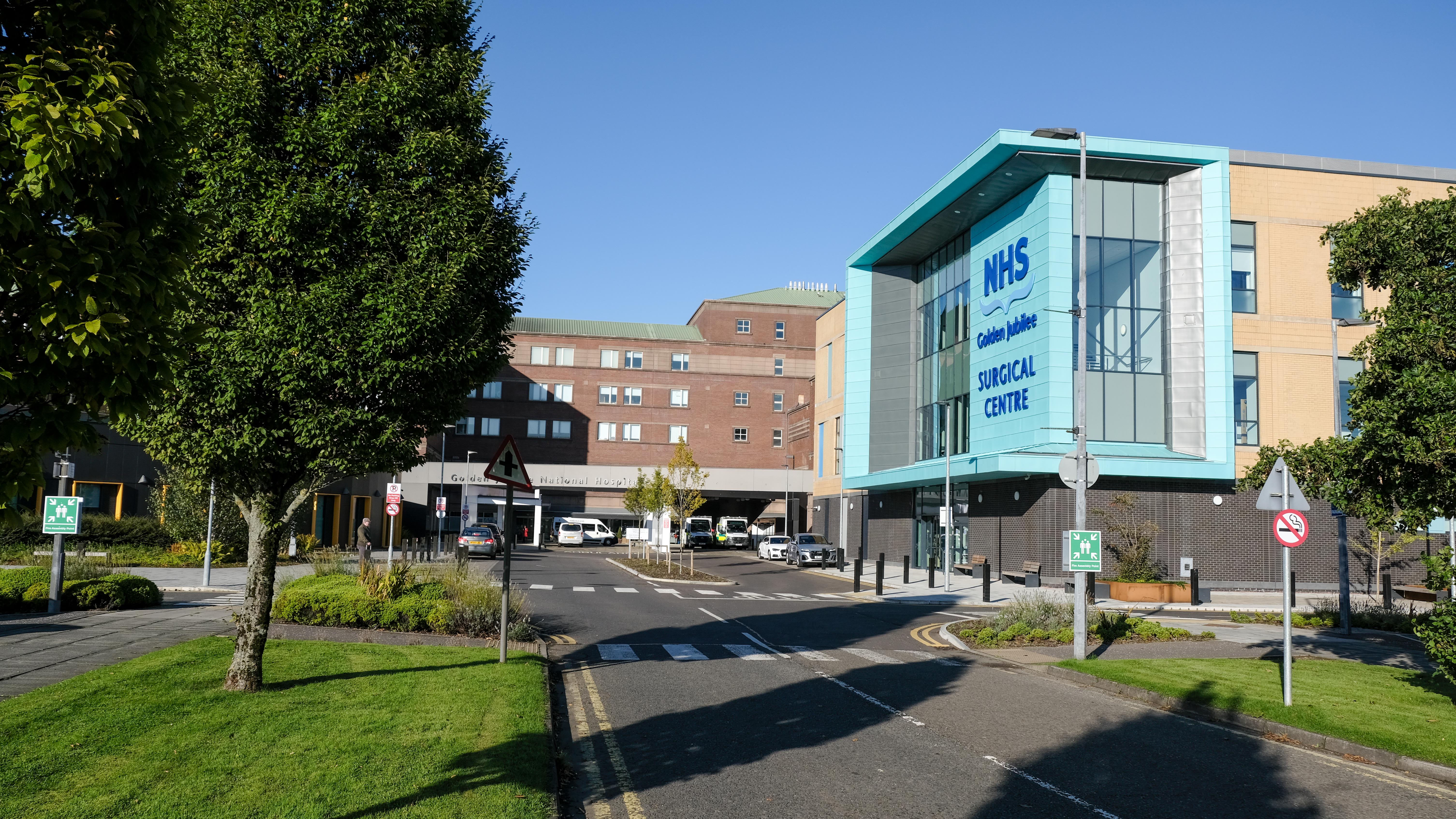
Heart specialists based in Scotland are set to play a leading role in a new ‘once in a generation’ international research programme aiming to transform how heart disease is diagnosed and treated in women.
The University of Glasgow, sponsored by NHS Greater Glasgow and Clyde, is one of several research teams participating in the three-year programme, which is scheduled to begin in July. Clinical research will be delivered at NHS Golden Jubilee in Clydebank, Scotland’s national centre for heart and lung services, which will act as the lead cardiac site.
Overall, 10 heart centres will take part across the United Kingdom.
Cardiovascular disease is the leading cause of death in women worldwide, with around one in three women affected.1
Despite this, many women experience persistent chest pain and undergo tests, only to be told their heart is “normal”. In reality, many of these patients are living with angina with no obstructive coronary arteries (ANOCA) - a condition that is difficult to diagnose using standard tests.2
Research shows that 2 out of 3 women undergoing investigation for angina do not have blocked arteries, meaning their condition can remain undetected and untreated.3
The Wellcome Leap VISIBLE programme, co-funded by Pivotal, with support from the British Heart Foundation, aims to change this by improving diagnosis and treatment for women with ANOCA, including conditions such as microvascular angina and vasospastic angina.
Professor Colin Berry, Consultant Cardiologist at the Golden Jubilee University National Hospital and Professor of Cardiology and Imaging at the University of Glasgow, said: “This programme represents a major step forward in improving heart care for women.

Image: Professor Colin Berry
“For too long, many women with chest pain have been told their hearts are normal when, in fact, the underlying problem has simply been harder to detect.
“At NHS Golden Jubilee, we have spent many years working with patients and partners, such as the British Heart Foundation, to better understand these conditions. Being named the lead cardiac centre for this international programme reflects the strength of our work.
“The Wellcome Leap VISIBLE programme is a once in a generation opportunity and we are excited to get started.”
“By combining advanced diagnostics, new treatments and international collaboration, we have a real opportunity to transform outcomes for women with angina and ensure they receive the answers and care they need.”
The project will include:
· A platform of 5 clinical trials, repurposing medicines for ANOCA, and a lifestyle-based therapy
· Development of new diagnostic approaches to detect previously “invisible” heart disease
· Research to better understand the causes and progression of the condition
The programme is part of a $55 million global initiative bringing together international research teams, with NHS Golden Jubilee leading the clinical delivery as the principal cardiac centre.
This award follows a highly competitive global selection process, with the Scottish team the only group selected from the UK and 1 of only 4 outside of the United States.
The research builds on more than 2 decades of work by clinicians, researchers and patients at NHS Golden Jubilee and partner health boards, helping to place Scotland at the forefront of innovation in women’s cardiovascular health.
Chief Executive of NHS Golden Jubilee, Carolynne O’Connor, said: “This exciting programme demonstrates the power of bringing together patients, researchers, clinicians, industry partners and healthcare organisations to tackle some of the most important challenges in healthcare.
“By working collaboratively with our partners across Scotland, the UK and internationally, we have an opportunity to advance understanding of a condition that affects millions of women worldwide and help shape the future of cardiovascular care.
“Innovation is central to everything we do at NHS Golden Jubilee, and we are proud to play a leading role in research that has the potential to improve diagnosis, treatment and outcomes for patients not only here in Scotland, but across the world.
“This investment recognises the expertise, commitment and ambition of our teams, and reinforces NHS Golden Jubilee’s position as a centre of excellence for research, innovation and patient care. Most importantly, it offers hope that future generations of women will receive faster diagnoses, better treatments and improved quality of life.”
ANOCA is often caused by problems in the smallest blood vessels of the heart, known as the coronary microvasculature, which cannot be seen on standard angiograms.
As a result, many women face years of uncertainty, repeated tests and ongoing symptoms without a clear diagnosis.
The project involves partners from Newcastle University, Cedars Sinai, Radboud University Medical Centre and the International Heart Spasms Alliance.
By bringing together world-leading expertise, industry experts and patients to undertake cutting-edge research, this programme has the potential to improve outcomes for millions of women worldwide.
With NHS Golden Jubilee at the heart of the clinical programme, the organisation will play a key role in delivering advances that could transform how women’s heart disease is understood, diagnosed and treated for generations to come.
Information sources:
1. Wellcome Leap: wellcomeleap.org
2. British Heart Foundation: bhf.org.uk
News Archive
Please browse through our Academy, CfSD and Hotel Press releases.